

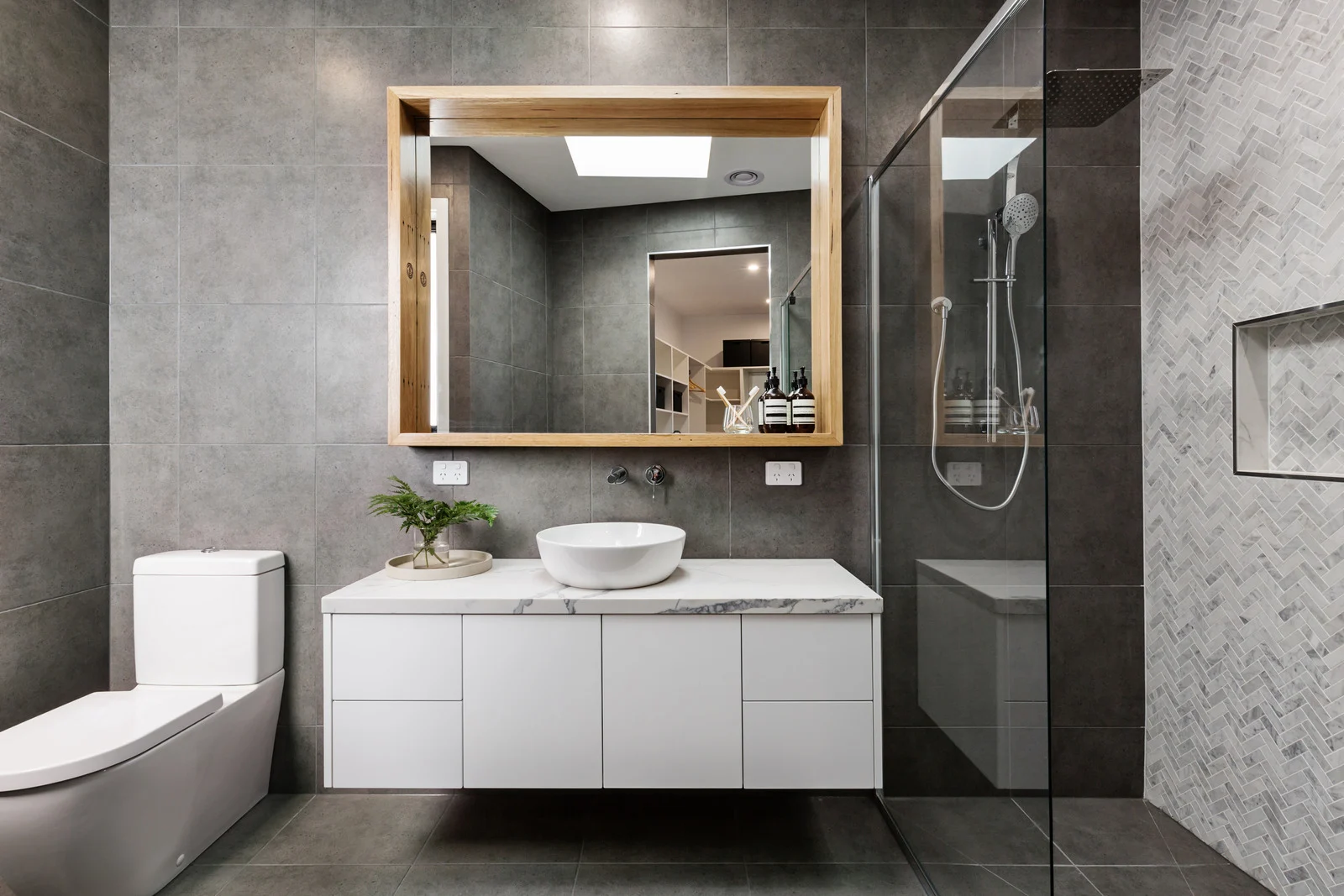
A well-designed bathroom is more than just a functional space; it’s a personal retreat. In Vancouver homes, where style meets practicality, blending tile, texture, and tone has become a defining feature of modern bathroom design. Whether you’re updating a small powder room or creating a luxury ensuite, thoughtful material combinations can elevate your space from ordinary to extraordinary.
Why Mixing Materials Matters
Bathrooms today are no longer limited to plain white tiles and chrome fixtures. Designers are embracing layered materials to add warmth, depth, and personality. Mixing finishes creates visual interest and allows homeowners to express their style while maintaining functionality.
When done correctly, combining various elements enhances both the aesthetic appeal and resale value of your property. It also helps define focal points—such as feature walls, vanities, or walk-in showers.
Choosing the Right Tiles
Tiles are often the foundation of any bathroom renovation Vancouver. From floors to shower walls, they set the tone for the entire space.
1. Combine Large and Small Formats
Using large-format tiles for walls and smaller mosaic tiles for niches or shower floors creates contrast without overwhelming the design. Large tiles make smaller bathrooms appear more spacious, while mosaics add detail and texture.
2. Play with Patterns
Geometric, herringbone, or vertically stacked patterns can dramatically change the feel of a room. The key is moderation—if you choose a bold patterned tile for the floor, balance it with subtle wall tiles.
3. Natural Stone & Porcelain Mix
Marble-inspired porcelain paired with matte ceramic or natural stone accents brings elegance and durability together. This mix works beautifully in homes where moisture resistance is crucial.
Adding Texture for Depth
Texture adds dimension and prevents a bathroom from feeling flat. It can be introduced through materials, finishes, or decorative elements.
- Matte vs. Glossy Finishes: Combining matte floor tiles with glossy wall tiles enhances light reflection and adds depth.
- Wood Accents: Incorporating wood vanities or shelving softens the coolness of tile and brings warmth.
- Textured Feature Walls: 3D tiles or stone-look panels create a striking focal point behind a vanity or inside a shower enclosure.
Texture is especially important in modern minimalist bathrooms, where limited color palettes rely on material variation to create visual interest.
Understanding Tone & Color Harmony
Tone refers to the lightness or darkness of a color. Mixing tones correctly ensures the space feels cohesive rather than chaotic.
1. Neutral Foundations
Start with a neutral base such as white, beige, or soft gray. This allows you to experiment with accent colors without overwhelming the room.
2. Layering Similar Shades
For a seamless look, layer tones within the same color family. For example, combine light gray tiles with charcoal grout and brushed nickel fixtures.
3. Bold Accent Features
If you prefer a dramatic style, introduce navy, forest green, or matte black elements in controlled amounts—perhaps through cabinetry or statement tiles.
Lighting plays a crucial role in tone perception. Vancouver’s natural light can shift throughout the day, so test tile samples under both daylight and artificial lighting before finalizing your design.
Balancing Function and Style
While aesthetics are important, functionality should never be compromised. Moisture-resistant materials, slip-resistant flooring, and easy-to-clean surfaces are essential for long-lasting results.
A professional Home renovation company Vancouver can guide you through material selection, ensuring your chosen combinations are not only beautiful but also durable and compliant with building standards.
Popular Vancouver Design Trends
Vancouver homeowners often draw inspiration from coastal and contemporary styles. Here are a few trending combinations:
- Coastal Calm: Soft blue subway tiles, sandy-toned flooring, and white cabinetry.
- Modern Contrast: Matte black fixtures, white marble-look tiles, and warm wood accents.
- Spa Retreat: Neutral stone tiles, textured feature walls, and soft ambient lighting.
- Industrial Chic: Concrete-look tiles paired with brushed brass or black metal finishes.
These combinations reflect Vancouver’s blend of urban sophistication and natural surroundings.
Practical Tips for a Cohesive Look
- Limit to Three Main Materials: Too many finishes can feel cluttered. Stick to a maximum of three dominant materials.
- Coordinate Hardware: Ensure faucets, showerheads, and cabinet handles share the same finish family.
- Use Grout Strategically: Contrasting grout highlights tile patterns, while matching grout creates a seamless appearance.
- Test Samples First: Always bring home samples to see how they interact with your lighting and existing décor.
Planning carefully helps avoid costly mistakes and ensures your renovation stands the test of time.
Maximizing Value with Professional Expertise
Mixing tile, texture, and tone requires a keen eye for balance. While DIY inspiration is helpful, expert guidance ensures precision installation and cohesive design. Skilled renovators can help with layout planning, waterproofing systems, and proper ventilation, all essential for Vancouver’s climate.
Professional craftsmanship not only enhances visual appeal but also protects your investment by preventing issues such as mold, leaks, or uneven surfaces.
Ready to Transform Your Bathroom?
If you’re planning a renovation and want expert advice on blending materials seamlessly, trust Home Renovations BC. Their experienced team specializes in modern, functional, and beautifully crafted bathroom transformations tailored to Vancouver homes. Contact Home Renovations BC to start designing a space that perfectly balances tile, texture, and tone.
Frequently Asked Questions
How many tile styles should I use in one bathroom?
It’s best to limit your design to two or three complementary tile styles to maintain balance and avoid visual clutter.
Are textured tiles harder to clean?
Some textured tiles require more maintenance, but many modern options are designed for easy cleaning while retaining visual depth.
What colors work best for small Vancouver bathrooms?
Light neutrals such as white, beige, and soft gray help reflect light and make smaller bathrooms feel larger.
Can I mix different metal finishes in one bathroom?
Yes, but limit it to two finishes and ensure they complement each other, such as matte black with brushed brass.
How long does a bathroom renovation typically take?
Most bathroom renovations take 2–4 weeks, depending on the scope of work and material availability.